Wordless Picture Books: The Secret Weapon for Building Your Toddler's Language Skills
Did you know books don't need words to build language? Discover how wordless picture books encourage toddler and preschool language development, storytelling, vocabulary, and conversation.
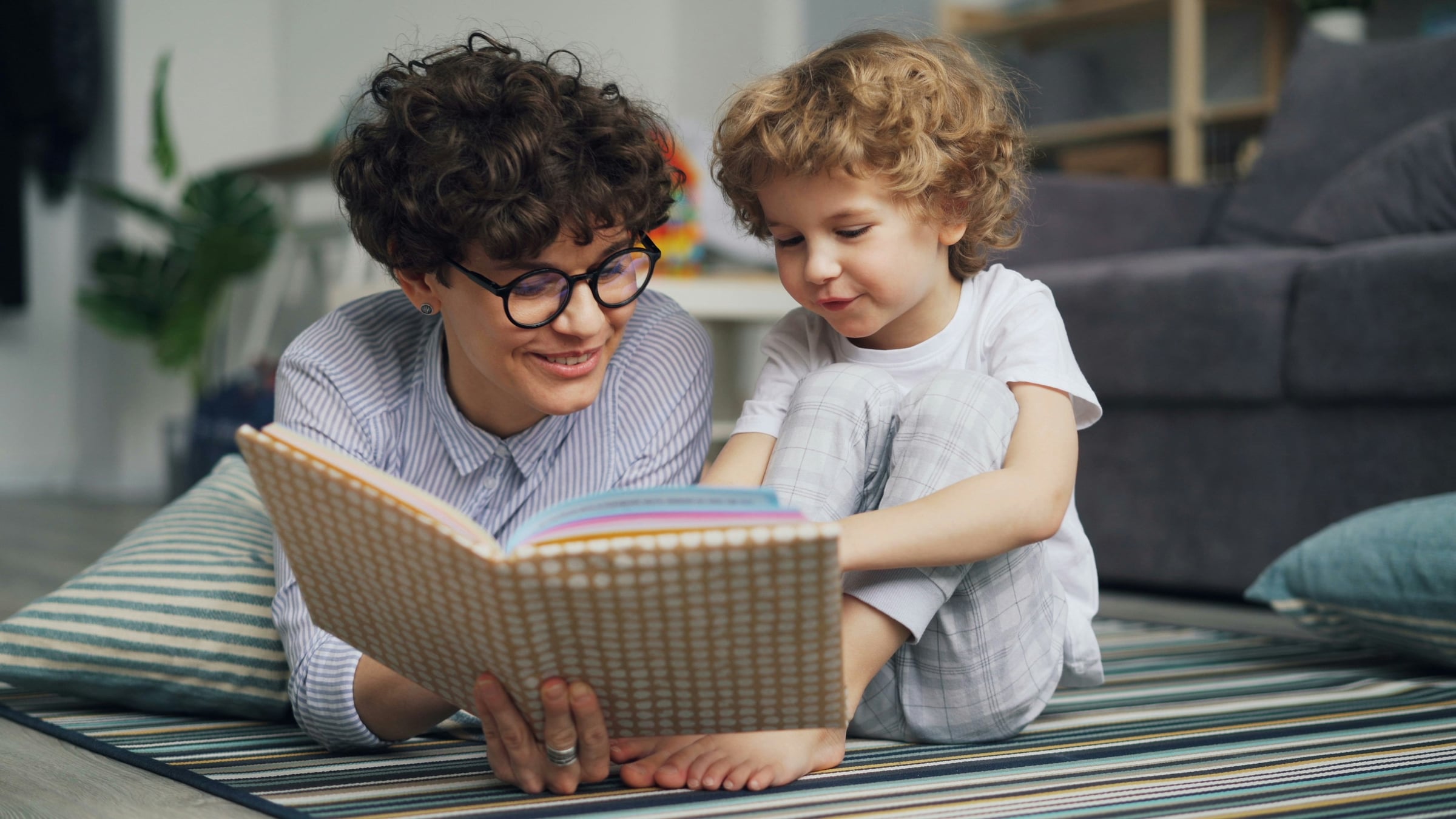
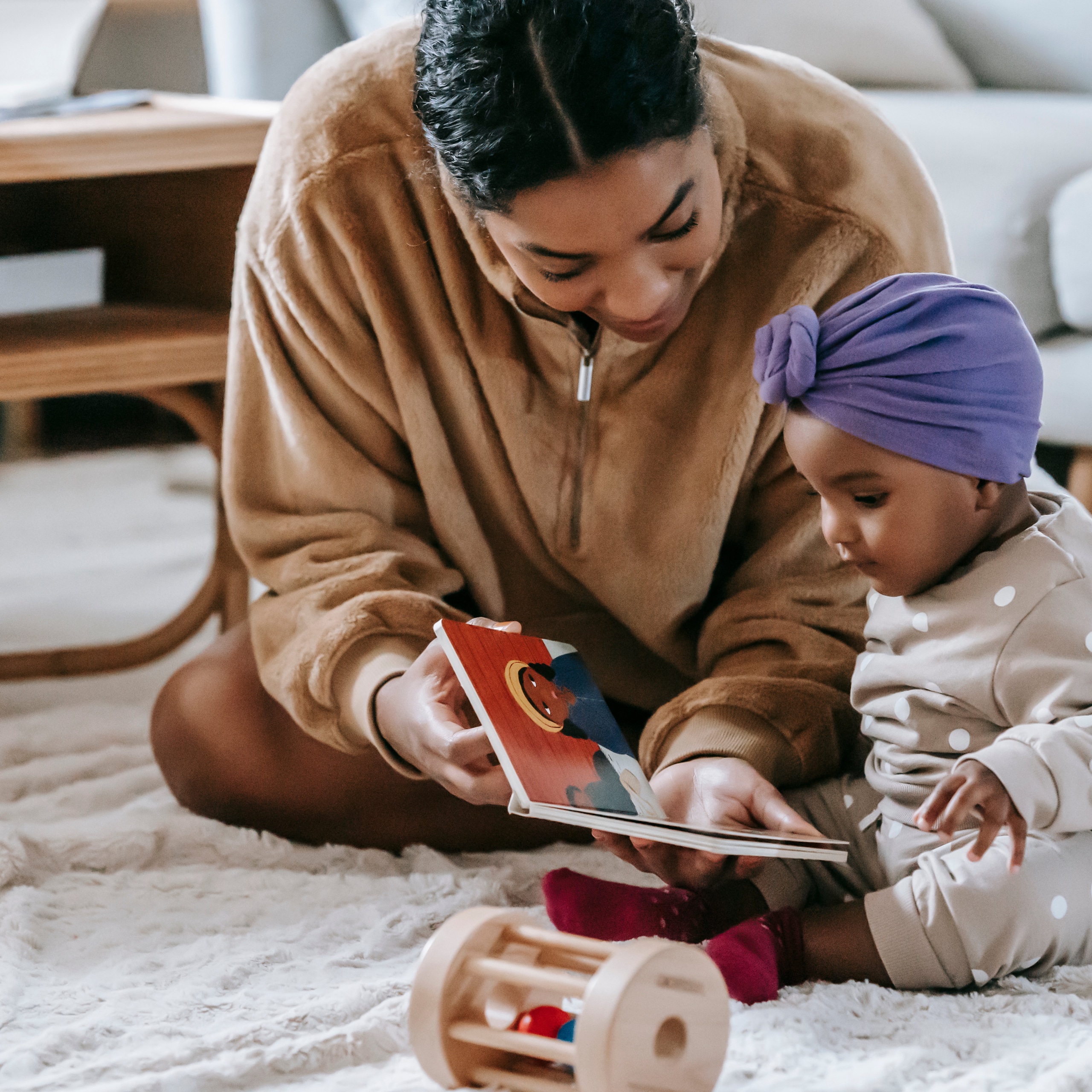
Have you ever sat down to read a book with your toddler or preschooler, only to find that they want to skip the words, point to every picture, or tell you their own version of what’s happening?
Good news: That’s exactly what you want!
One of the biggest misconceptions about reading with young children is that you need to read every word on every page for it to count as reading. But some of the best opportunities for language development happen when you let the pictures do the talking!
Enter wordless picture books!
Wordless picture books are one of our favorite (and often overlooked) tools for supporting language development. They invite children to look closely, make observations, ask questions, predict what might happen next, and, most importantly, create their own stories.
And the best part? You don’t need to be a teacher, speech and language pathologist, or particularly creative storyteller. You just need a book, a little time, and a willingness to follow your child’s lead.
Why Are Wordless Picture Books So Good for Language Development?
When a book has written words, it’s easy for adults to fall into the habit of reading the text while children listen and look at the pictures. There’s absolutely nothing wrong with this! Reading books with text is incredibly important for exposing children to new vocabulary, sentence structures, and language concepts.
But when there are no words to follow, something different happens.
Instead of simply listening to a story, children have the opportunity to become storytellers.
Wordless picture books encourage children to:
Build vocabulary.
Pictures provide endless opportunities to introduce and practice new words. You can describe what characters are doing, name objects, talk about locations, and introduce descriptive words.
Instead of simply saying, “Look at the dog,” you might say, “The dog is sneaking quietly through the kitchen!” Suddenly, you’ve introduced action words, descriptive language, and a more complex sentence.
Practice putting words together.
Children can describe what they see using words, phrases, and increasingly complex sentences.
Building on your child's words
- ToddlerA toddler might say, "Dog!"
- You can expand that to, "The dog is running!"
- PreschoolerA preschooler might say, "The dog is running because he wants to catch the ball."
- You can expand that to, “The dog is running fast because he wants to catch the red ball.”
Both are meaningful opportunities to build language at your child’s current level.
Develop storytelling skills.
Stories have characters, settings, events, problems, and solutions. Wordless picture books give children opportunities to explore all of these elements.
They can describe what happened first, what happened next, and how the story ended. These early narrative skills are important building blocks for later reading comprehension and written language.
Encourage thinking and problem-solving.
What’s going to happen next? Why is the character hiding? How do you think the little girl feels?
Children begin to make predictions, draw conclusions, and use clues from the illustrations to figure out what’s happening.
Build social communication skills.
Looking at a book together creates opportunities to practice taking turns, sharing ideas, commenting, asking questions, and responding to someone else’s thoughts.
It also encourages children to think about what characters might be feeling and why, helping to build early perspective-taking skills.
Reading together is also a wonderful way to support the communication skills that develop throughout the toddler years. If you’re wondering what to expect as your child’s language grows, check out our guide to 10 communication milestones every parent of a toddler should know.
How to “Read” a Wordless Picture Book With Your Child
The beauty of wordless picture books is that there is no right or wrong way to read them. You and your child are creating the story together!
Here are a few simple ways to get started.
1. Start by Looking at the Pictures
Before jumping into a story, take a moment to look at the illustrations together.
Point out what you notice, describe what’s happening, and give your child time to explore the pictures.
Try comments like:
- "I see a little dog!"
- "Look at all those animals!"
- "The boy looks surprised!"
- "I wonder where they're going."
You don’t need to narrate every single detail. Sometimes a simple observation is enough to get a conversation started.
2. Follow Your Child’s Lead
Let your child decide what interests them. If they want to spend five minutes looking at one page, that’s okay!
Maybe they notice a tiny mouse hiding in the corner, or they want to talk about the same character on every page. Follow their attention and build on what they’re already interested in.
Remember, the goal isn’t to get through the entire book. The goal is to create opportunities for meaningful interaction.
Looking for even more ways to make story time a language-building experience? Check out our post on the best books to support language development in toddlers.
3. Add Language Without Taking Over
One of the easiest ways to support language development is to build on what your child says.
For example:
Building on what your child says
Your child
You
Your child
You
This technique is called expansion. You’re taking your child’s idea and adding a little more language without requiring them to repeat you.
You can also model new words, describe actions, and introduce concepts like behind, under, next to, first, and last.
4. Ask Questions (But Don’t Overdo It!)
Questions can encourage children to think, make predictions, and share their ideas. Just be careful not to turn reading into a quiz!
Instead of asking question after question, mix in comments and opportunities for your child to respond.
Some questions to try:
- “What do you think is happening?”
- “Where do you think they’re going?”
- “What do you think will happen next?”
- “How do you think she feels?”
- “I wonder why he did that?”
For younger toddlers, simple questions and choices can be helpful. For example, “Is the dog sleeping or running?”
And remember: You don’t have to ask a question on every page. Sometimes just talking about what you see is enough!
5. Make Up Your Own Story!
This is where wordless books get really fun!
You don’t have to follow a particular storyline or figure out what the author intended. Make up your own story together!
You might decide that the character is going on an adventure, looking for a friend, or trying to solve a problem.
Your child might come up with something completely different from what you imagined. That’s part of the fun!
You can even read the same book several times and create a different story each time.
Five Wordless Picture Books We Love
Ready to give wordless books a try? Here are five wonderful options for toddlers and preschoolers. Some are completely wordless, while others contain just a few simple words. All offer great opportunities to build language!
1. Good Dog, Carl by Alexandra Day
Best for: Toddlers and preschoolers
A personal favorite! When Mom leaves the house, Carl, a lovable dog, is left in charge of the baby. What follows is a series of entertaining adventures as Carl and the baby explore the house.
This book is full of opportunities to describe actions, make predictions, and talk about what might happen next. Children can also follow Carl and the baby’s adventures across the pages and create their own version of the story.
Language-building opportunities: Action words, sequencing, describing, prediction, and storytelling.
2. Good Night, Gorilla by Peggy Rathmann
Best for: Toddlers and preschoolers
This playful, nearly wordless book follows a zookeeper as he makes his rounds saying goodnight to the animals. But one mischievous gorilla has other plans!
There are so many little details happening in the illustrations that children can discover something new with every reading. Look for the animals following the zookeeper, the keys, the mouse on every page, and all the funny things happening in the background.
Language-building opportunities: Animal vocabulary, action words, location concepts, prediction, and commenting.
3. A Ball for Daisy by Chris Raschka
Best for: Preschoolers
This beautifully illustrated story follows Daisy, a dog who loves her red ball. When her beloved ball gets destroyed, Daisy experiences a range of emotions.
This book is especially wonderful for talking about feelings and helping children understand how characters might be thinking or feeling. You can discuss what happened, why Daisy is upset, and what might make her feel better.
Language-building opportunities: Emotions, describing, cause and effect, perspective-taking, and problem-solving.
4. The Lion & the Mouse by Jerry Pinkney
Best for: Preschoolers
A beautifully illustrated retelling of Aesop’s classic fable, this book tells the story of a lion and a tiny mouse who unexpectedly help one another.
The detailed illustrations provide plenty to talk about, and the storyline offers opportunities to practice sequencing and more advanced storytelling. It’s also a great introduction to discussing friendship, kindness, and helping others.
Language-building opportunities: Story sequencing, descriptive vocabulary, predicting, character development, and social-emotional language.
5. Tuesday by David Wiesner
Best for: Preschoolers (and older children, too!)
What happens when frogs take flight on their lily pads? This imaginative, completely wordless adventure follows a group of frogs on a very unexpected nighttime journey.
The illustrations are full of humor and surprising details. Children can make predictions, explain what they think is happening, and create their own imaginative storyline.
Language-building opportunities: Imaginative storytelling, describing, inferencing, sequencing, and predicting.
A Few More Tips…
As pediatric speech and language pathologists, we often remind parents that supporting language development doesn’t have to involve flashcards, worksheets, or structured activities.
Some of the best learning happens during everyday interactions, and reading together is a wonderful example.
Here are a few things to keep in mind:
- You don’t need to finish the book. One or two pages filled with conversation can be just as valuable as reading the entire story.
- It’s okay if your child doesn’t say much. You can model language, describe the pictures, and give your child opportunities to participate in their own way. Pointing, gestures, and facial expressions are all meaningful forms of communication!
- Don’t worry about getting the story right. There is no test at the end! Your child’s version of the story is just as welcome as yours.
- Repeat favorite books. Repeated readings give children opportunities to become familiar with vocabulary, anticipate what happens next, and contribute more to the story over time.
- Keep it fun! If your child loses interest, that’s okay. Put the book away and try again another time.
The Takeaway: You Don’t Need Words to Build Language!
The next time you sit down to read with your toddler or preschooler, consider putting aside the expectation that you need to read every word on every page.
Open a wordless picture book, look at the illustrations together, and see where the conversation takes you.
You might be surprised by how much your child has to say!
And books aren’t the only way to encourage communication! Discover five simple ways to boost your child’s language development through play using everyday activities at home.
Happy storytelling!